Day 30: Bioavailability of Food
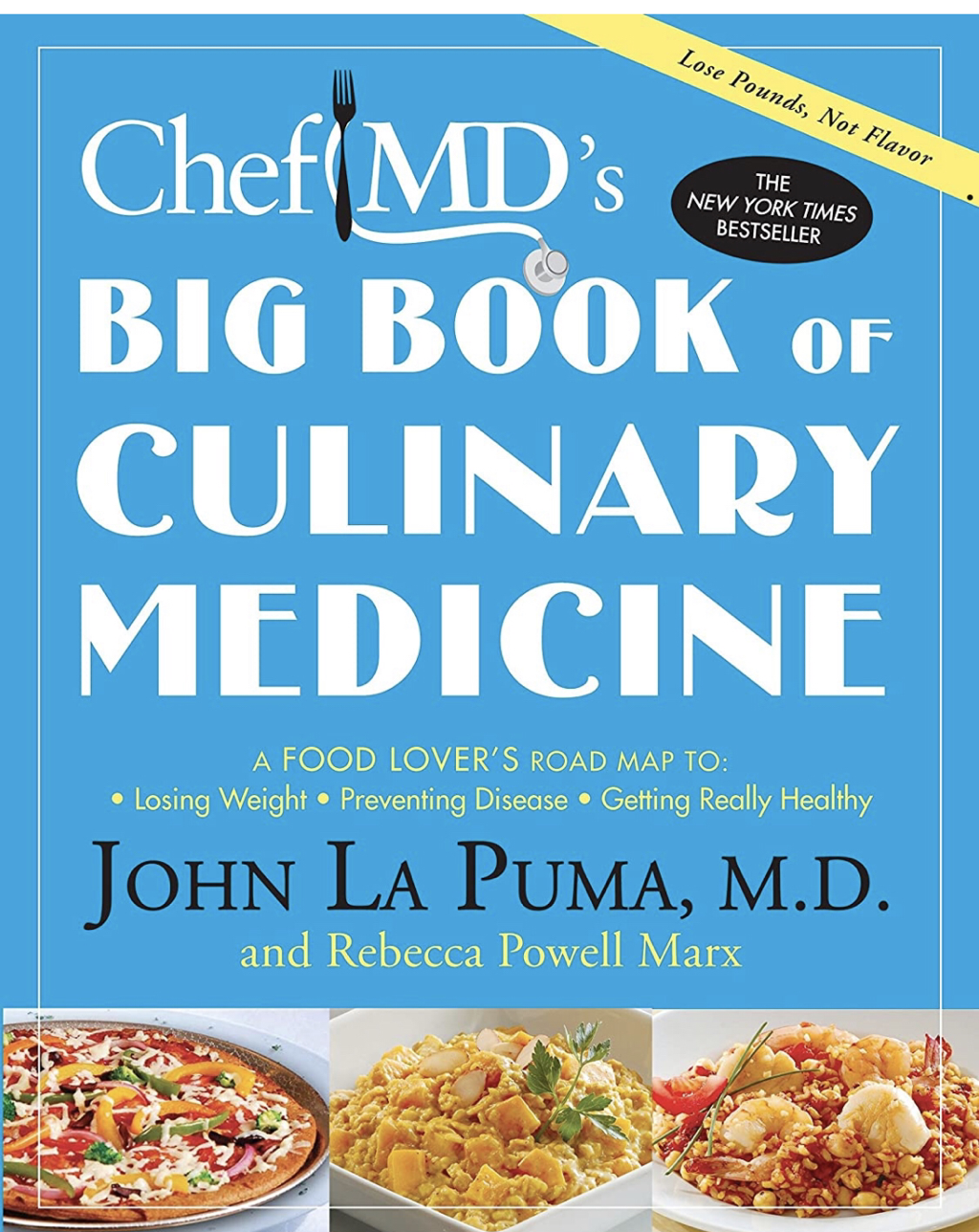
Dr. John La Puma writes about the bioavailability of food in his book, “Chef MD’s Big Book of Culinary Medicine,” a word we often use in pharmacology to mean the amount of drug that gets absorbed in the bloodstream to exert its therapeutic effect. For food, he means “body ready: the nutrient absorbed and available for your body to use.”
The following are foods he mentioned to be more nutritious in certain conditions:
1) Watermelon - at room temperature. Lycopene’s bioavailability is at 40% and beta-carotene at 139%, And here we are chilling and freezing our watermelons 🧐 And when you allow it to stay on your countertop for up to 2 weeks, you get more of these good kinds of stuff which tend to concentrate with time.
2) The water-soluble vitamins in vegetables are lost in the water when you boil them. So best to steam and keep the nutrients intact. As a review, all the vitamins are water-soluble except vitamins A, D, E, K. These latter vitamins are absorbed with fat, so eating a good-fat diet will enhance absorption of these vitamins.
3) Pre-cut fruits tend to lose their vitamin C, so buy them whole.
4) Eat broccoli and tomatoes together to enhance the bioavailability of lycopene and other phytonutrients.
5) When you add vinegar to rice, as in making sushi rice, you reduce the amount of carbohydrate absorbed that turns into glucose and causing an insulin spike.
6) When dried corn is soaked in lime water, you release more calcium and other nutrients like niacin, zinc, copper, and iron.
7) Cooking spinach and corn will give you more vitamin K and C, respectively, than raw spinach and corn.
8)Cooking tomatoes will give you more lycopene than eating them raw.
For those who want to know more about using food as medicine, his book is a good resource. He discusses different ways to address specific conditions with the use of food and cooking techniques.
He also has tons of recipes for his 8-week plan. Check it out.
https://amzn.to/2UaTYlT
Disclosure: Using this Amazon link to purchase the book will help support the maintenance of the website, www.inspiredcopywriting.com.
The following are foods he mentioned to be more nutritious in certain conditions:
1) Watermelon - at room temperature. Lycopene’s bioavailability is at 40% and beta-carotene at 139%, And here we are chilling and freezing our watermelons 🧐 And when you allow it to stay on your countertop for up to 2 weeks, you get more of these good kinds of stuff which tend to concentrate with time.
2) The water-soluble vitamins in vegetables are lost in the water when you boil them. So best to steam and keep the nutrients intact. As a review, all the vitamins are water-soluble except vitamins A, D, E, K. These latter vitamins are absorbed with fat, so eating a good-fat diet will enhance absorption of these vitamins.
3) Pre-cut fruits tend to lose their vitamin C, so buy them whole.
4) Eat broccoli and tomatoes together to enhance the bioavailability of lycopene and other phytonutrients.
5) When you add vinegar to rice, as in making sushi rice, you reduce the amount of carbohydrate absorbed that turns into glucose and causing an insulin spike.
6) When dried corn is soaked in lime water, you release more calcium and other nutrients like niacin, zinc, copper, and iron.
7) Cooking spinach and corn will give you more vitamin K and C, respectively, than raw spinach and corn.
8)Cooking tomatoes will give you more lycopene than eating them raw.
For those who want to know more about using food as medicine, his book is a good resource. He discusses different ways to address specific conditions with the use of food and cooking techniques.
He also has tons of recipes for his 8-week plan. Check it out.
https://amzn.to/2UaTYlT
Disclosure: Using this Amazon link to purchase the book will help support the maintenance of the website, www.inspiredcopywriting.com.